Chapter 18:
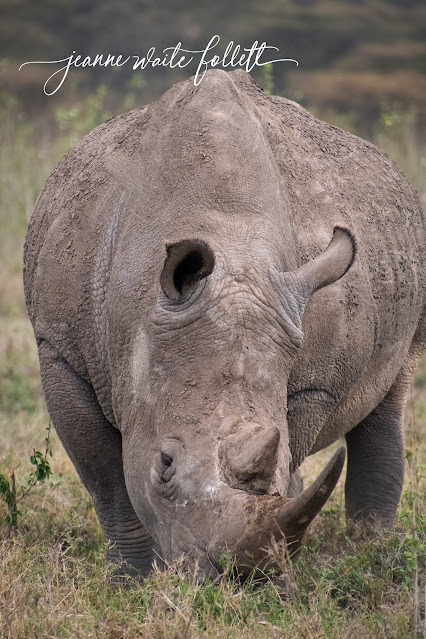
In Which We Search for Rhinos
'But African time was not the same as American time… As African time passed; I surmised that the pace of Western countries was insane, that the speed of modern technology accomplished nothing, and that because Africa was going its own way at its own pace for its own reasons, it was a refuge and a resting place.' - Paul Edward Theroux, an American travel writer and novelist.
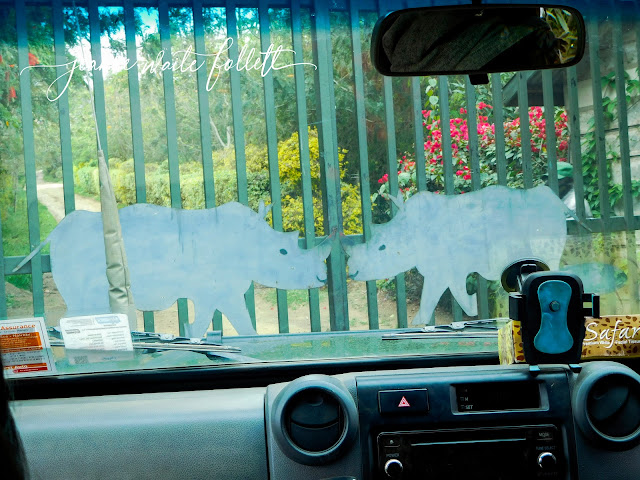
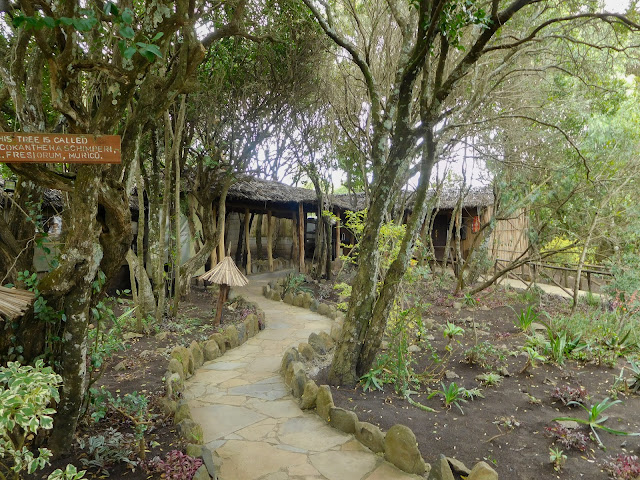
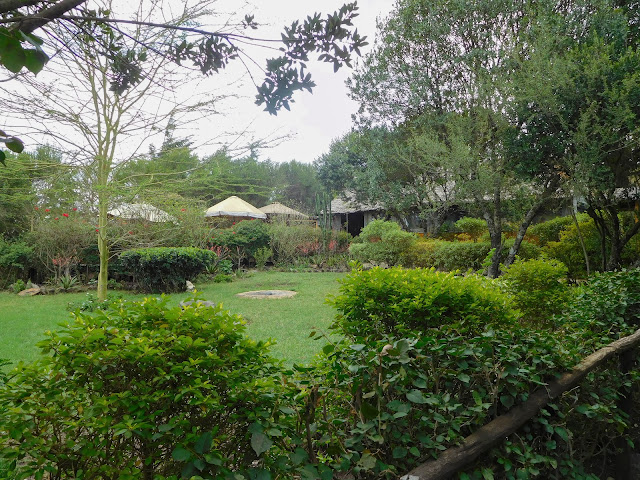
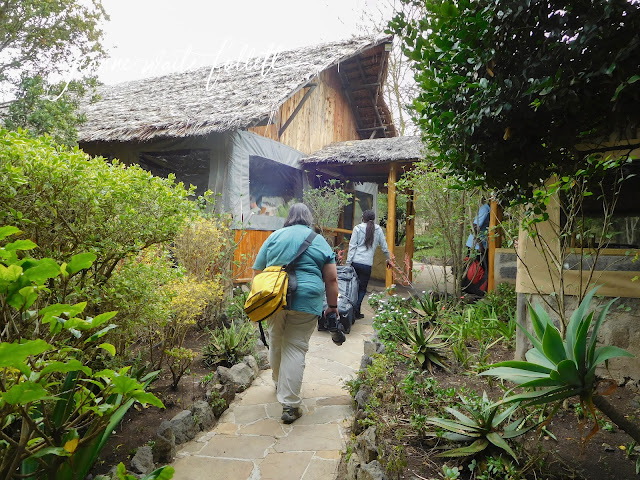
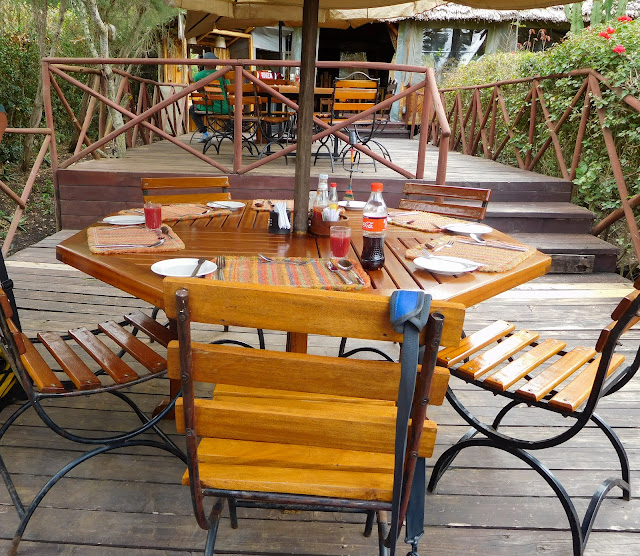
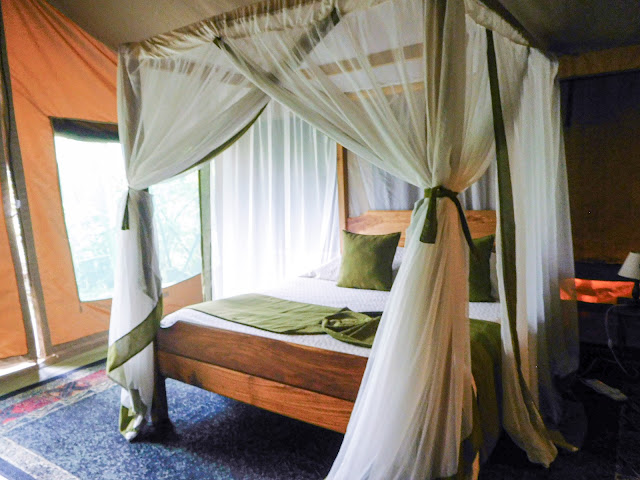
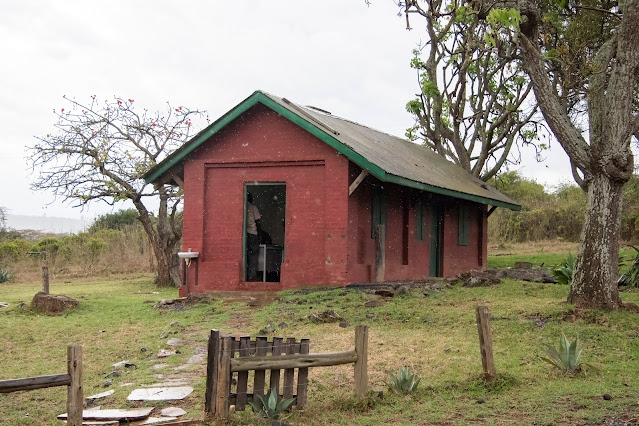
My tent.
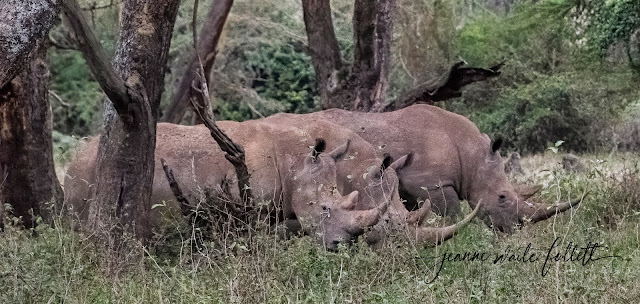
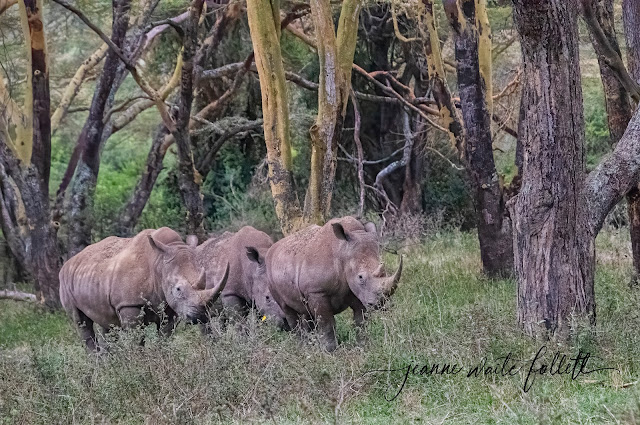
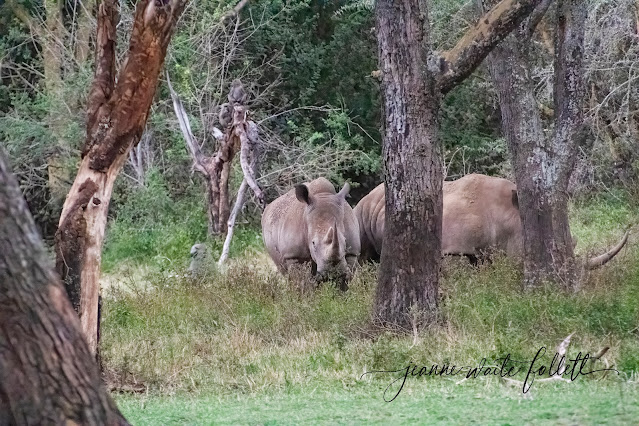
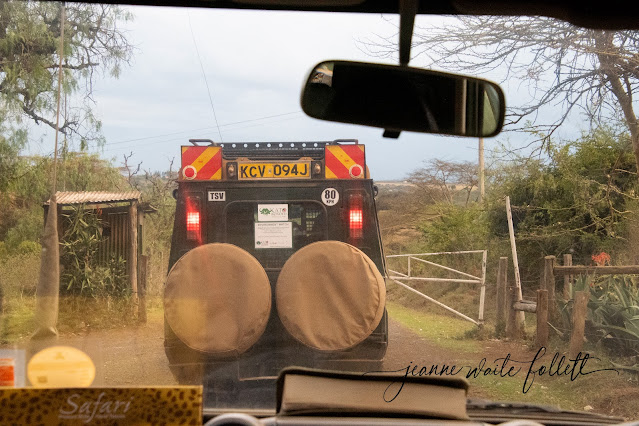
We had time after lunch to settle in, download the morning's photos from Samburu, and make certain all the camera batteries were charged. Then, around four o'clock, we loaded up and drove five minutes down the road to Solio Ranch and the rhinoceros reserve.
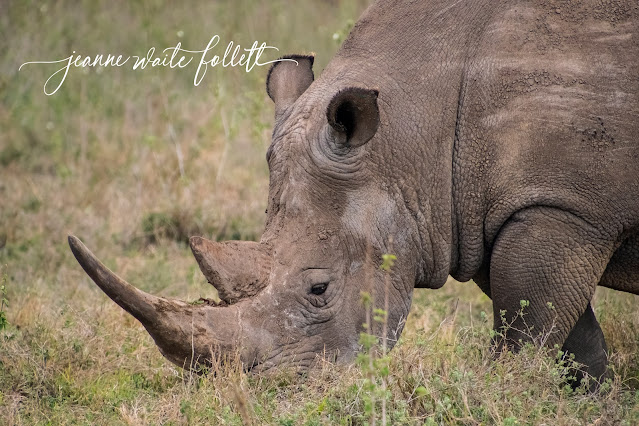
Solio Game Reserve is a fenced, privately-owned conservation area geared toward protecting both black and white rhinos. The reserve was begun in 1970 when Courtland Parfet, owner of Solio cattle ranch, fenced off a large portion of the property so that indigenous animals could roam in their natural habitat.
The forerunner of today's Kenya Wildlife Service approached Parfet about taking in five black rhinos and thus rhinos became part of the reserve. More and more black rhinos were taken in and eventually, Solio became the source of rhinos for many other reserves that were sufficiently secure to protect the animals from poaching.
The reserve has faced many challenges over the years including drought, fire, and refugee settlement.
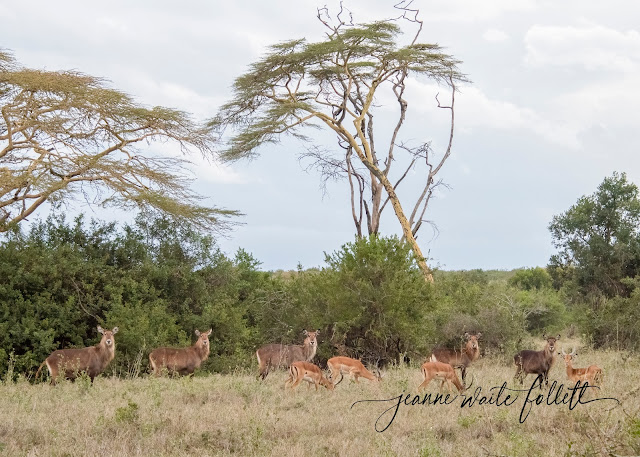
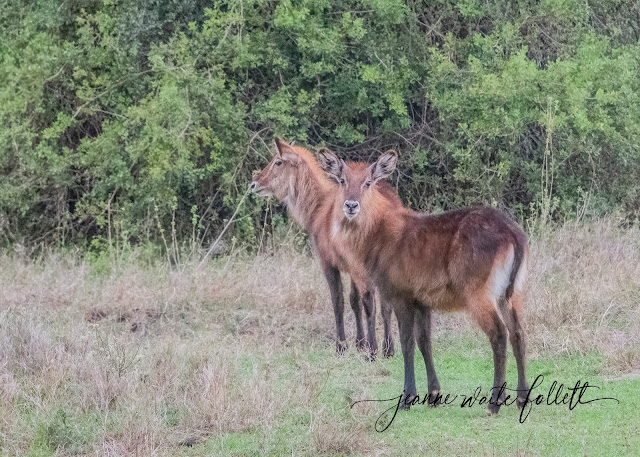
During our three-night stay at Rhino Watch Lodge, traveling into the Solio reserve twice a day, we saw only one vehicle within the reserve plus ranger trucks. It is well off the tourist trail and thus provides great bird animal sightings.